The Nazgul Catapult

The Nazgul Catapult

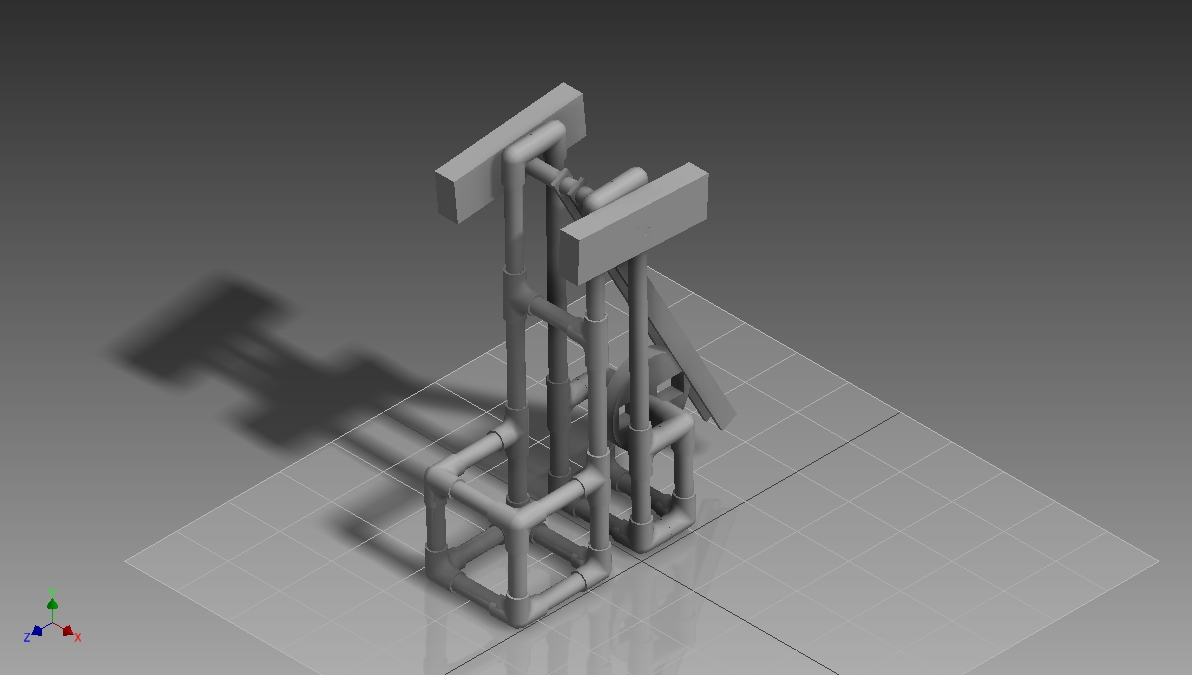
Project: Build a small, precise, and accurate catapult.

What I learned: 30 minutes of fine tuning can make all the diffrence

Duration: 4-5 months

Age 17


This was a school project with two other members, Brendan Berkel and Josh Gudeman. The goal of the project was to create an accurate/precise catapult within a specific set of constraints. The project was a success, but just barely. Several days before the presentation the slides kept getting stuck, but after a few hours of minuscule fine tuning,  it worked like a charm. The project also required a technical report with great detail about the construction and testing of the device. Please take a look, its a great read!

Technical Report

 DSCN5170 Assembly3iso
 catapaultimage


The Hammerhead Mobile Robot

The Hammerhead Mobile Robot

Project: Build an autonomous, path following robot

What I learned: Understand your constraints, and simplify

Duration: 2-3 months

Age: 16


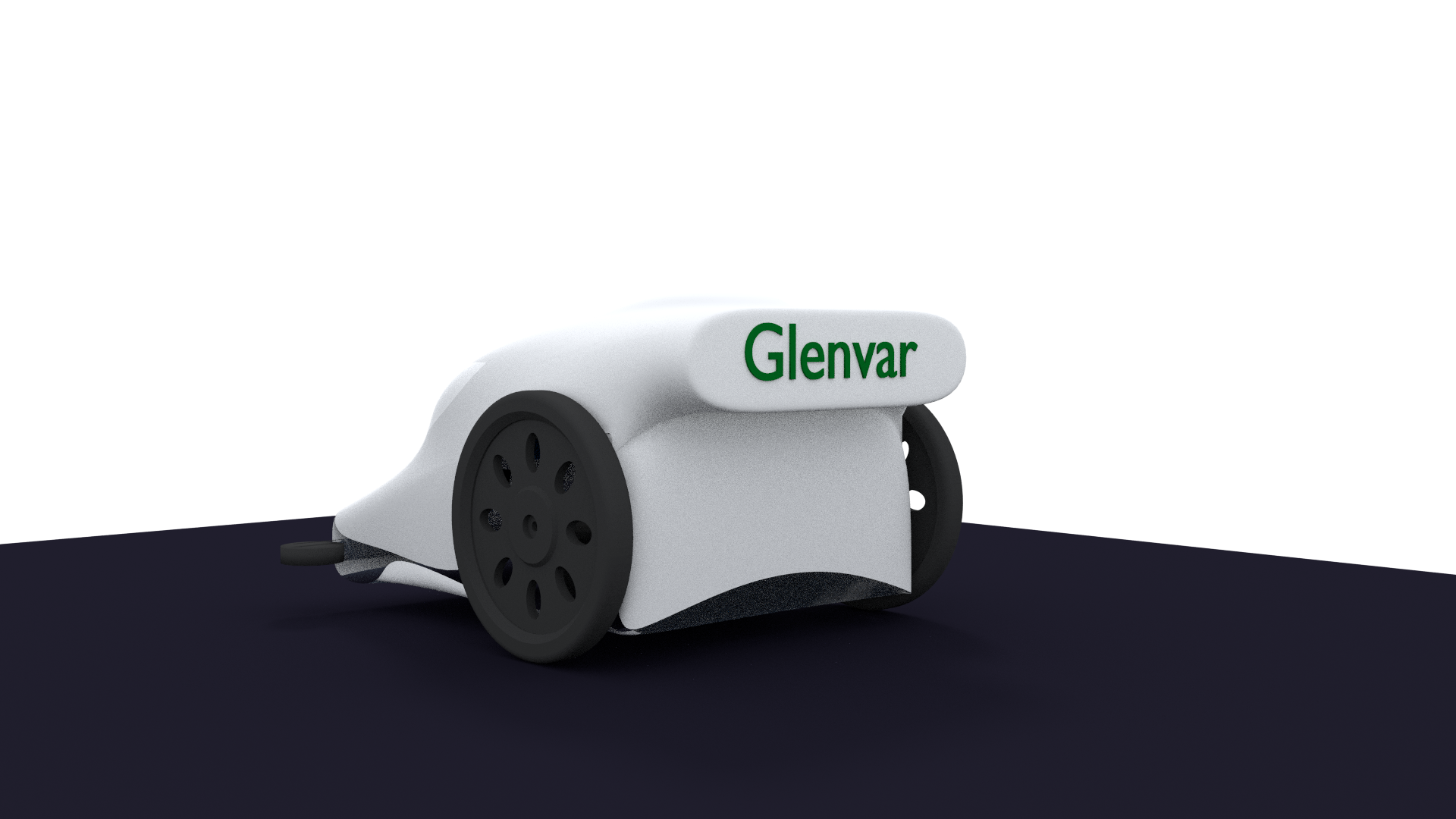
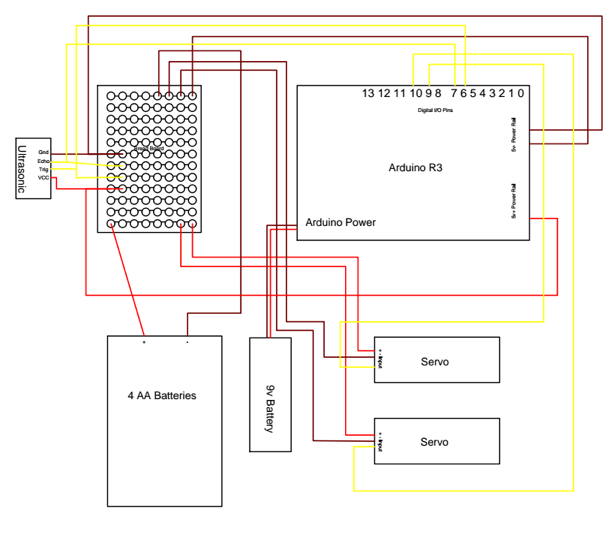
This was my first gander into the world of electronics and micro controllers. I participated in a competition with a team of about 5. The goal was to race around the track as fast as possible while avoiding obstacles. While most competitors went with the direct route of following the black line, our team decided to use the perimeter of the track as a bumper guideline. This project was successful and much was learned about constructing, working as a team, programming in C++, 3D modeling and exporting to 3D printers. A in-depth, award winning technical report was created for the competition, if interested feel free to take a look!

 3d Model back3d
 schematic


TechnicalReport

Short Film

Short Film

Project: Create a short 3D animated film

What I learned: 1 minute of film represents 30 hours of work

Duration: 1 year

Age 16


This was my first serious attempt into 3D modeling, animation, cinematics, and editing. The story was set in a common video game that I enjoyed, “Minecraft”. A lot of the plot deals with game elements so that to those unfamiliar with the game would find the film confusing. The  3D landscape scenes were exported out of the game directly using a program “Mineways” then character animation and camera motions were created in free 3D modeling software, Blender. Originally I thought this to be a one or two month project but it quickly turned into a much longer project. There are probably at-least 200 hours of work invested in the film and another 100 invested in time consuming renders. During the first three months I animated by hand using “keyframes” but I soon learned of bvh motion capture files. Carnegie Melon released thousands of files which gave my characters much more natural and fluid motions. When I realized the huge time consuming renders I quickly learned the value of graphic cards. This helped significantly but there were many scenes that were estimated to take weeks to render! So render farms were the next solution. I set up a small render farm with about 4-5 computers. I then proceeded to attempt to try the same concept with my school computer lab with 35 computers. Although I anticipated good results they never materialized due to blocked network settings set by the school admins. After many of the scenes finished rendering they were fine tuned further with Sony Vegas Pro. Music, color correction, aspect ratio, and overlay text were all added.

Red Rover

Red Rover

Project: Create a 3D physics based video game

What I learned: text style and graphic style coding becomes disorganized quickly

Duration: 1-2 months

Age 15


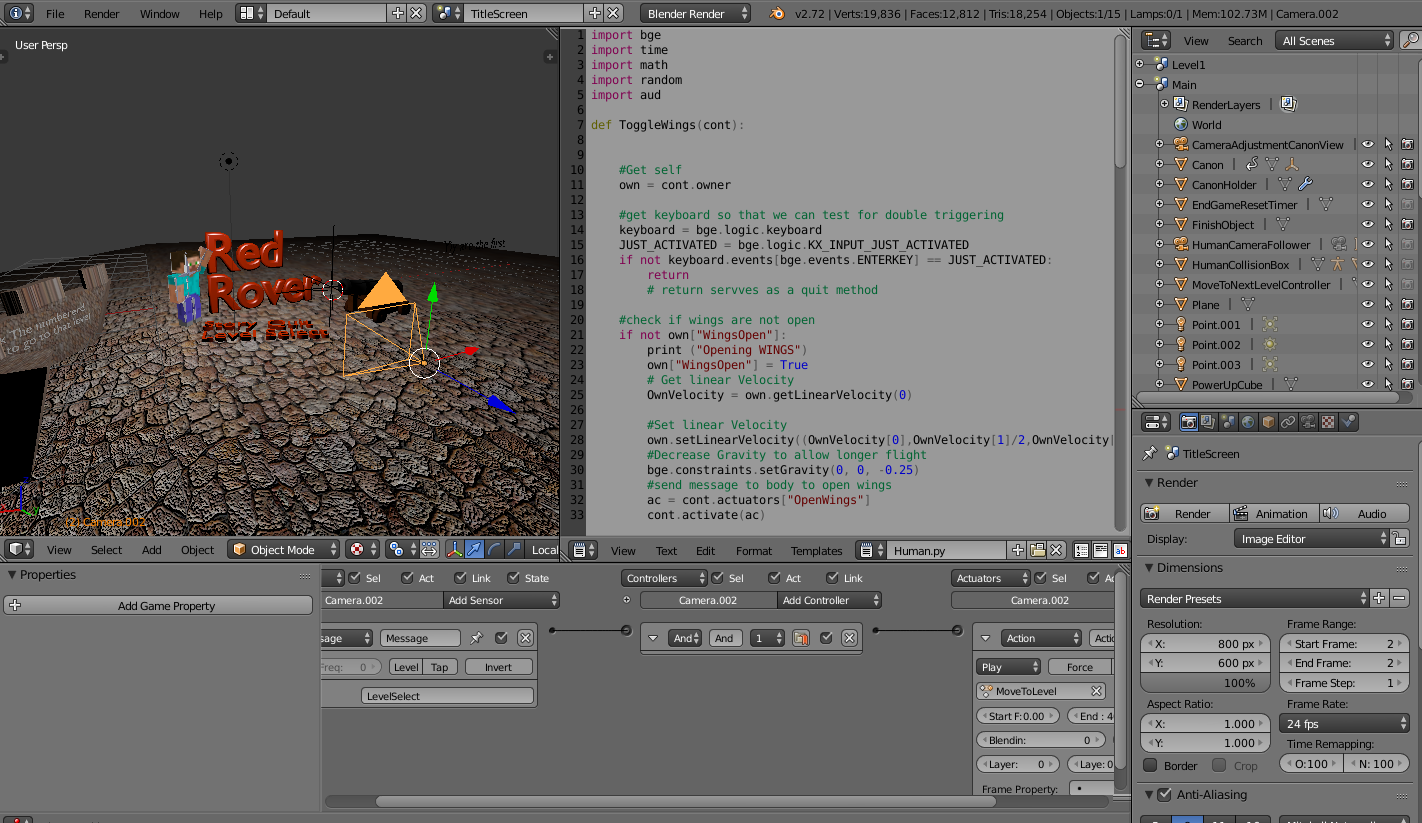
The game consisted of a Minecraft character being shot from a cannon with a wing suit in an attempt to reach his destination.This was the combination of what I knew, Python coding, and what I wanted to do, 3D + physics. Blender is an open source 3D modeling/prototype game engine program based mainly on Python. Blender also included “logic bricks” as an alternative to text style coding. In attempting to use both, the game got very disorganized and difficult to debug. The program Blender also had a very difficult learning curve taking me 4-5 months to become proficient. The game was an overall milestone in combining what I did know to learn more. Blender was a huge help in many upcoming projects, with smoke simulations, bullet physics, short films, and 3D printing/file exports.

Please Play!  Click Here to Download

redroverscreenshot


Galactic Treasure

Galactic Treasure

Project: Code a Python-based space video game

What I learned: Backup your backups

Duration 8 months

Age 13


This was my first seriously coded game. It was coded in Python and the PyGame library extension for graphics. The script was over a thousand lines, with hundreds of sprites. After about 6 months of work I had finished and was preparing to export it to an executable. But while attempting to do so the file was corrupted and 6 months work gone forever. This taught me the very important, but hard to learn lesson of backing up work. The next three months were spent reconstructing the game from scratch. Several important concepts were learned while constructing the game: classes, relative positioning with simulated 3D graphics, and artificial intelligence. The game was set in space in 2.5 dimensions. Alot of work went into camera and parallax movement (inspiration for this website) as this was coded from scratch because the graphics library did not include this. The game was complete with a shop and different types of aliens. The game also has an artificial chat, although very primitive, it would learn slowly and remember from each session to improve.

Click Here To Watch Game Preview